Men's Boots 2026: Styles, Construction Priorities and Heritage Benchmarks
What defines men's boots in 2026: moving beyond disposable fashion towards repairable construction, tactile full-grain leathers, all-day arch ergonomics and deliberate footwear choices.
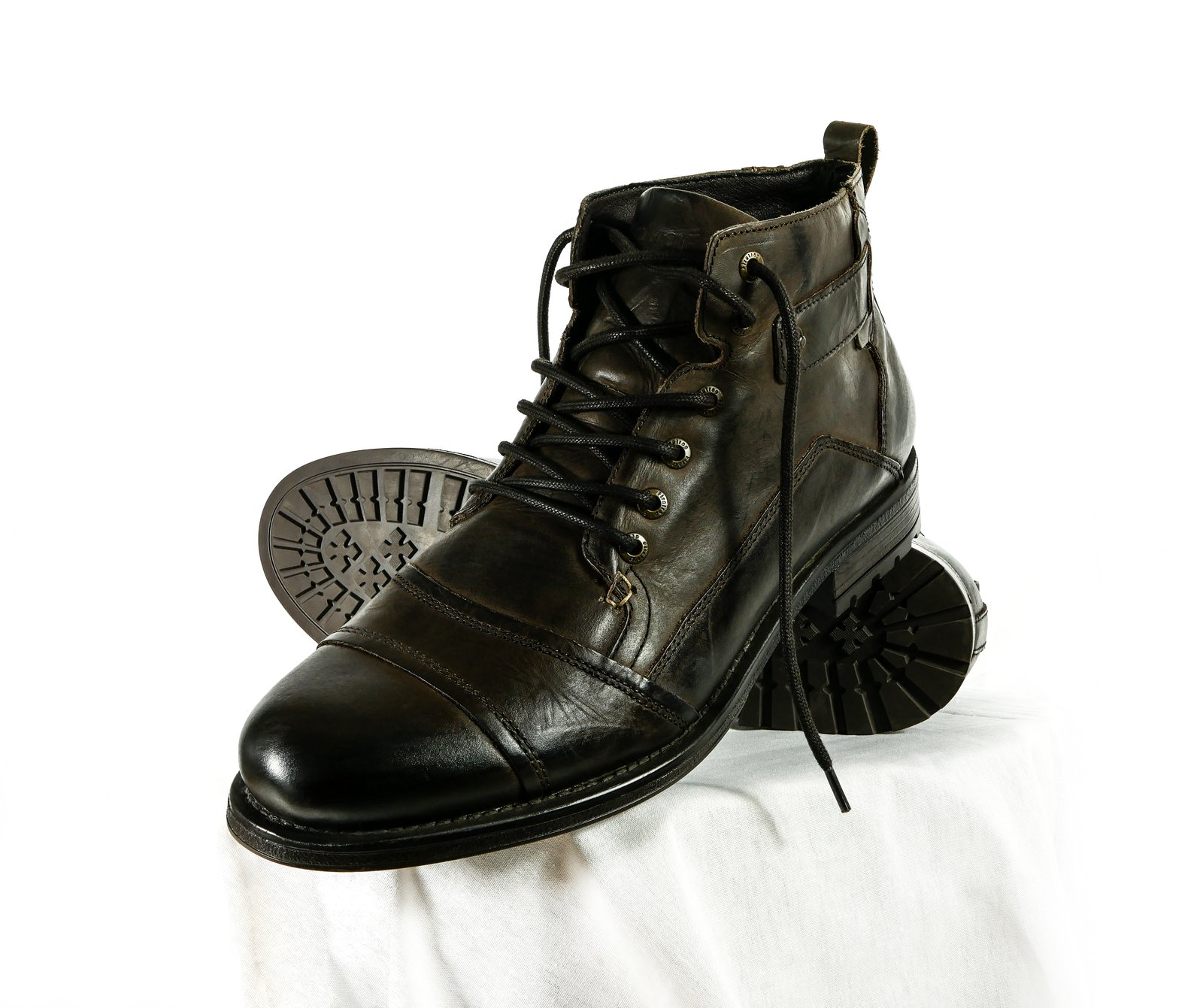
The 2026 shift: longevity, repairability and intentional buying
The men's boot landscape in 2026 is defined by a decisive rejection of cemented, disposable footwear. After years of synthetic fillers, bonded leather veneers and throwaway fast-fashion trends, discerning wearers are returning to fundamentals: bench-stitched construction, uncorrected full-grain leathers, natural cork footbeds, and vegetable-tanned insoles that mould organically to the wearer's anatomy over years of use.
Rather than amassing dozens of trend-driven pairs, modern buyers are investing in two or three versatile, recraftable silhouettes. The classic service boot remains the undisputed centrepiece of this wardrobe, effortlessly bridging tailored wool trousers, heavy Japanese selvedge denim, and utilitarian canvas work trousers. However, choosing the right pair requires understanding how different makers approach construction methods, leather finishing, and volume.
Viberg: the Canadian benchmark for service boot proportions
Originating from Victoria, British Columbia, Viberg has long set the gold standard for modern heritage service boots. Built on their iconic 2030 last, the Viberg Service Boot balances sleek, low-profile toe aesthetics with work-ready durability.
Viberg's signature strength lies in their uncompromising material selection and construction. Using heavy Horween Chromexcel leather—combination-tanned in Chicago with deep wax impregnation—the upper develops rich pull-up highlights as it flexes. Their stitchdown and Goodyear-welted configurations feature solid brass hardware, channelled leather insoles, and sturdy Dainite studded rubber outsoles that offer grip without excessive visual bulk.
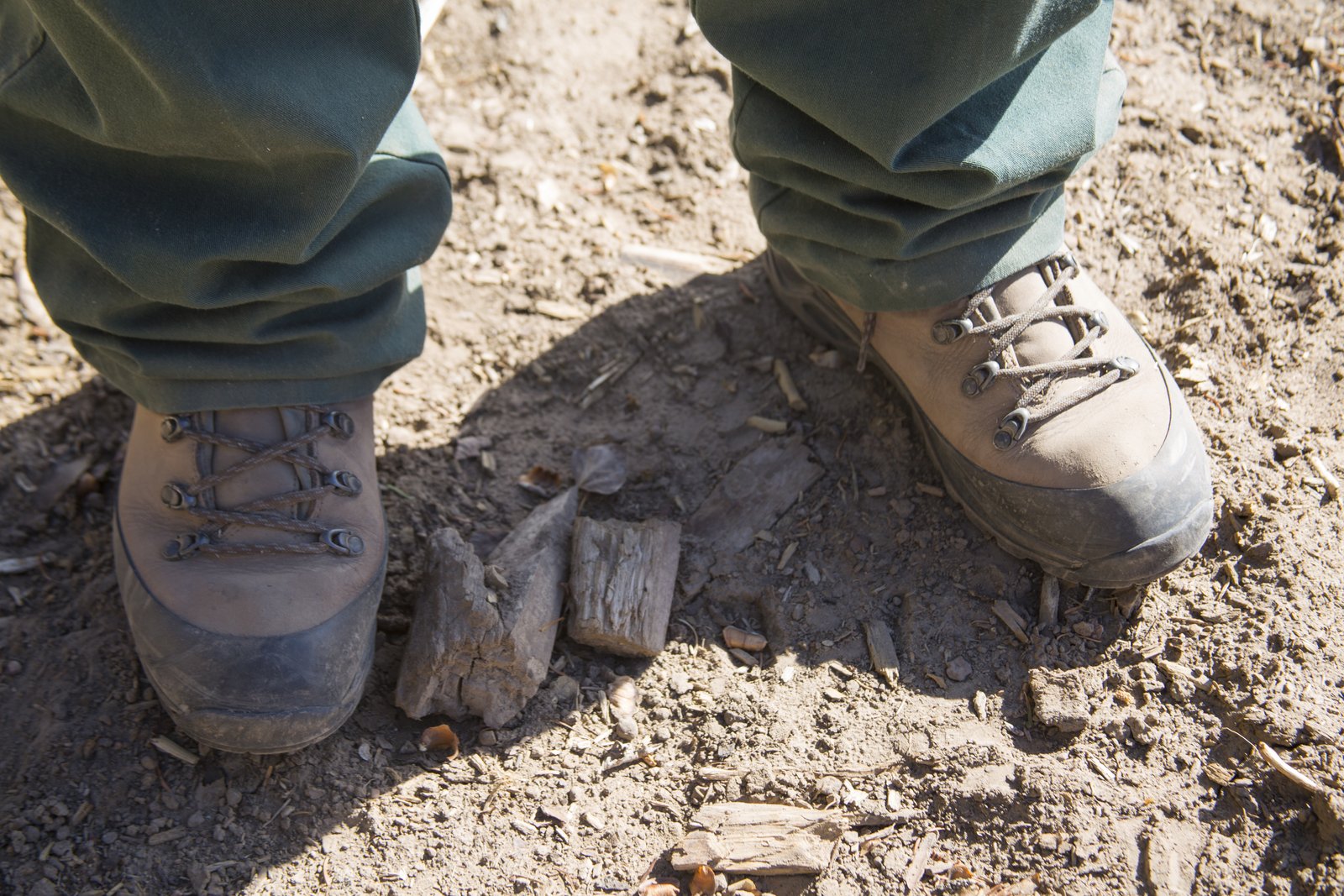
Grant Stone: precision finishing and accessible Goodyear welted value
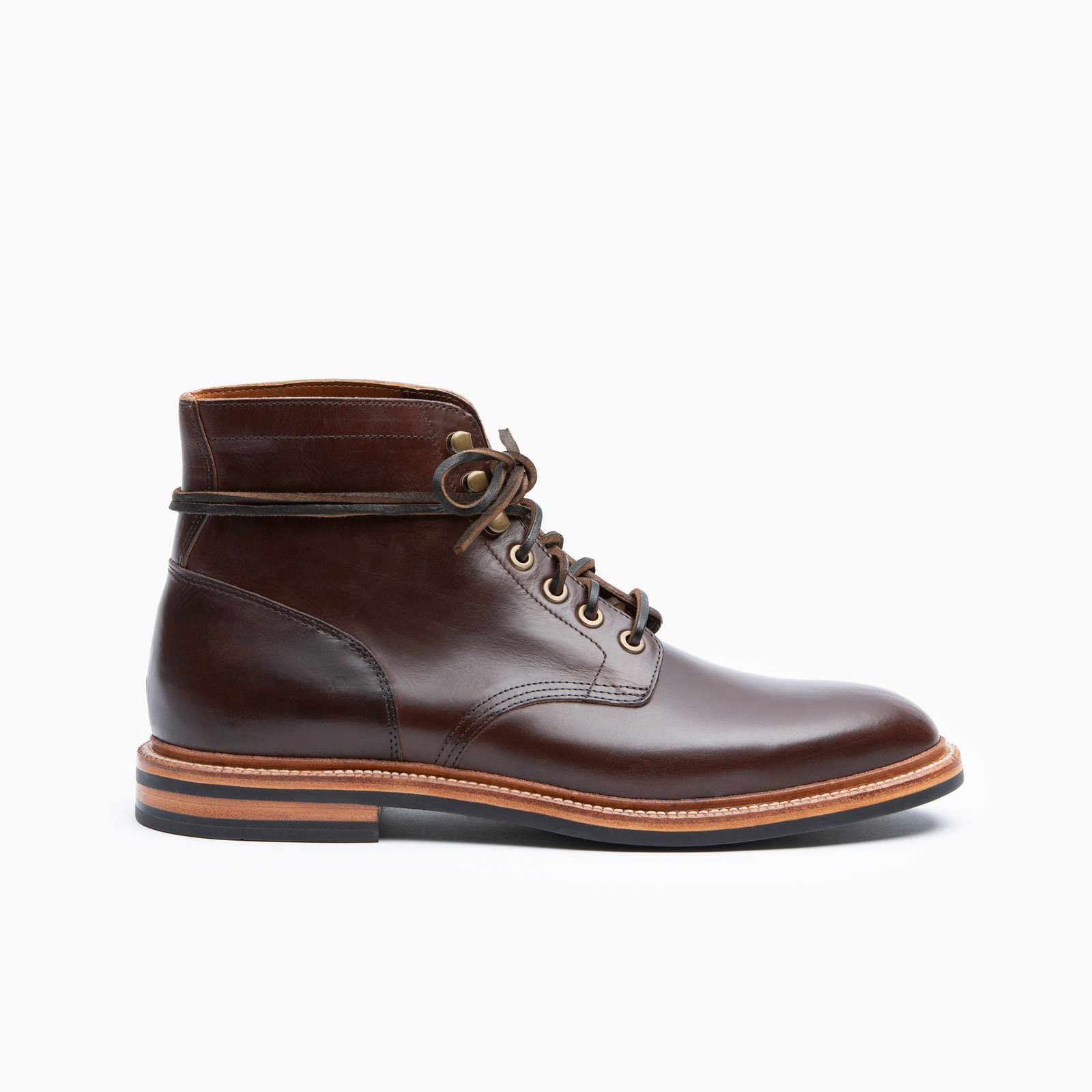
Grant Stone has earned an exceptional reputation among footwear connoisseurs by offering peerless internal finishing at an approachable price tier. Built on their balanced Leo last, the Diesel Boot exemplifies the classic American plain-toe service profile.
Under the hood, Grant Stone avoids synthetic shortcuts: every pair features a full-grain vegetable-tanned leather insole, a steel shank anchored in cork filler, full leather linings, and meticulous twin-needle welt stitching. The Crimson Chromexcel leather develops a nuanced, mahogany-tinged patina that dresses up cleanly under tweed or denim.
Old Mulla Tâmega: Portuguese bench-crafted suppleness
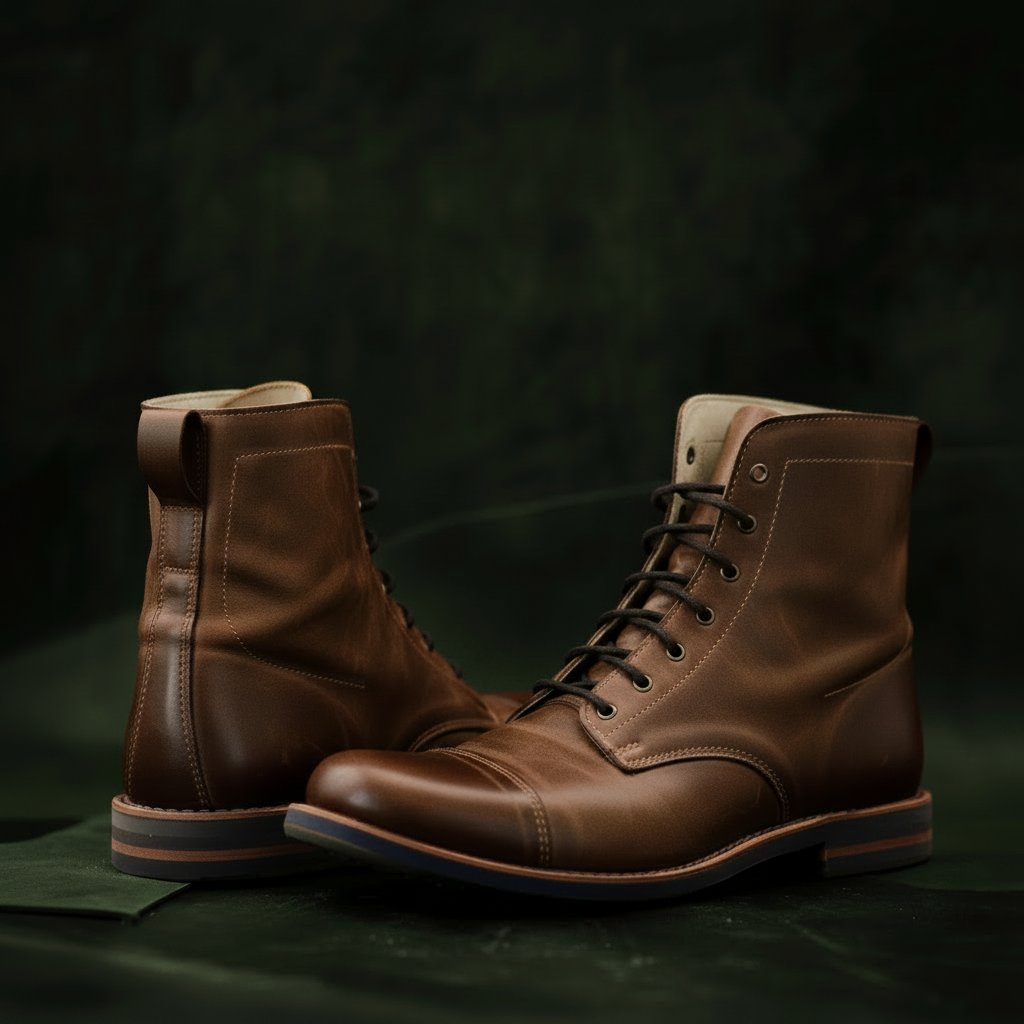
Handcrafted in small artisanal batches in the historic shoemaking centre of Guimarães by the George family, Old Mulla offers a distinctive Portuguese interpretation of the classic service boot. The Tâmega Boot combines a clean, structured toe profile with remarkably supple full-grain Portuguese leather uppers.
Unlike ultra-rigid work boots that require painful weeks of break-in, Old Mulla's Blake Rapid construction pairs flexibility with long-term resoleability. A sturdy leather midsole is stitched directly to the upper and insole, and then lockstitched to a replaceable rubber outsole. This provides immediate step-in comfort while ensuring a local cobbler can easily replace the sole when worn down. Verified buyer feedback on Judge.me highlights the soft leather feel and lightweight versatility for daily city walking.
Joseph Cheaney & Sons: traditional British country engineering
For wearers who encounter heavy autumn downpours and muddy country trails, Northamptonshire's Joseph Cheaney & Sons represents traditional British bench-making at its finest. Handcrafted in Desborough, the Pennine V is a rugged country derby boot built for foul weather.
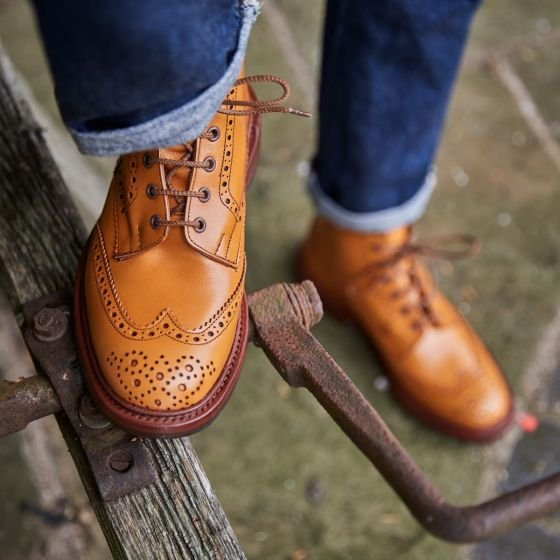
Constructed with a genuine Veldtschoen welt—where the upper leather turns outwards over the welt to shed driving rain—the Pennine V uses pebble-grain almond calfskin that disguises branch scrapes and stone scuffs. Mounted on heavy-tread Commando rubber soles, it offers supreme wet-ground traction and generational longevity.
Key buying criteria when selecting a boot in 2026
When evaluating these distinct makers, consider your primary wearing conditions, foot volume, and tolerance for break-in stiffness:
- Construction method: Goodyear welting and Veldtschoen excel in extreme moisture resistance; Blake Rapid delivers immediate out-of-the-box flexibility with full resoleability.
- Leather temper: Stiff pull-up leathers take weeks to mould but yield dramatic patina; supple vegetable- or chrome-tanned calf provides immediate walking comfort.
- Outsole choice: Studded rubber (Dainite or micro-stud) provides a clean profile under trousers; full lug soles (Commando or Vibram) offer unmatched traction on mud and snow.
- Insole foundation: Look for thick vegetable-tanned leather insoles that form a custom imprint of your footbed rather than synthetic foams that compress permanently.