Boot Construction and Resoling: Welts, Outsoles and Cobbler Advice
A technical guide to how heritage boots are built and rebuilt: comparing Goodyear welt, Blake-Rapid, Norwegian and stitchdown constructions, choosing the right outsole, and knowing the exact moment to visit a cobbler before the welt is damaged.
The anatomy of resoleable boots: why construction dictates longevity
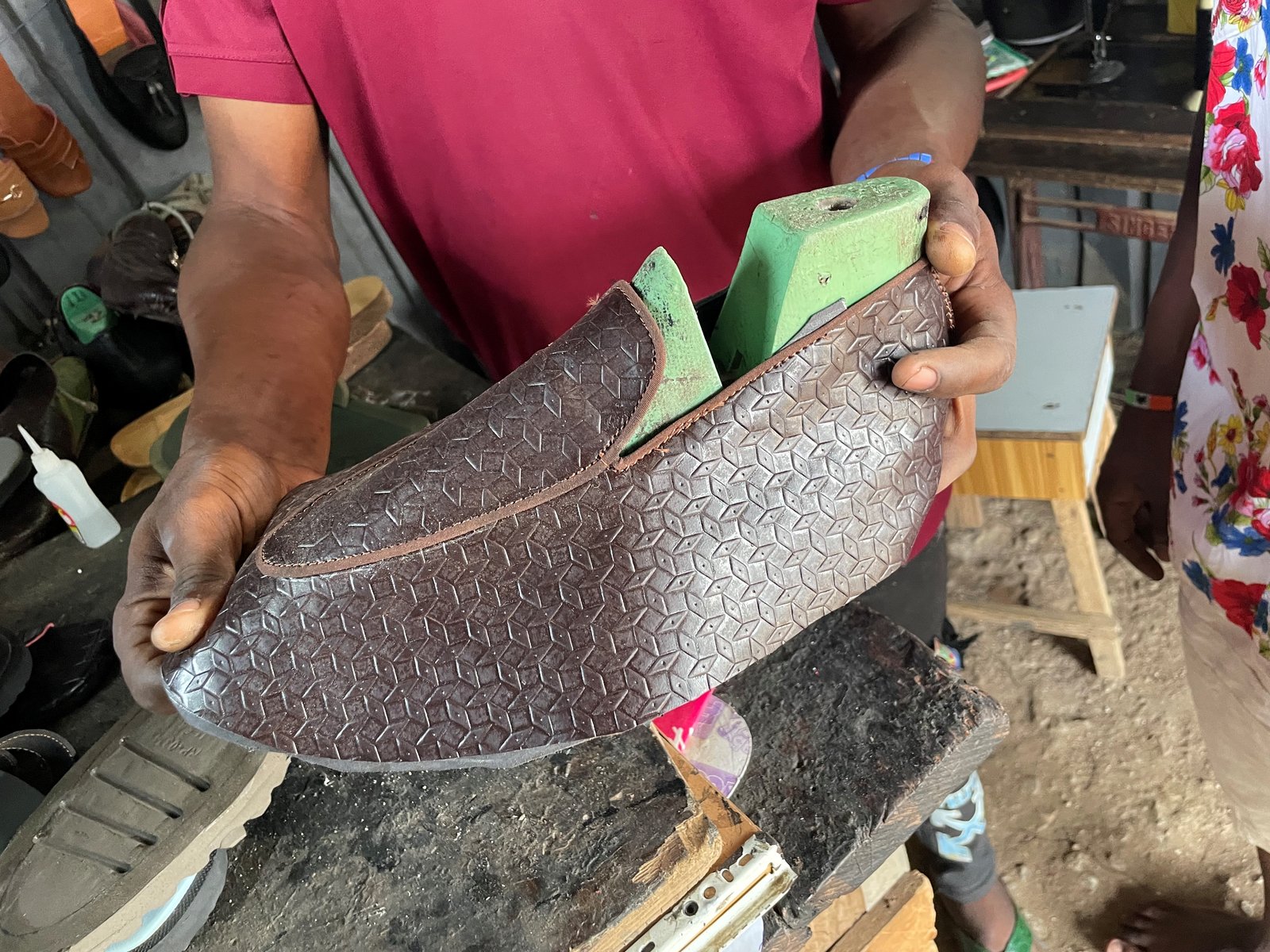
The fundamental difference between disposable footwear and lifetime heritage boots lies in how the upper is joined to the sole. In mass-market cemented construction, the upper leather and synthetic lining are pulled around a cardboard insole and glued directly to a rubber cupsole with polyurethane cement. When that sole wears smooth or splits, removing it requires aggressive heat and solvent that typically tears the paper-thin upper leather or destroys the fiberboard foundation. The boots are rendered unrepairable and destined for landfill.
In contrast, traditional stitched constructions create a mechanical, modular boundary between your foot and the pavement. At the core of every resoleable boot is a thick full-grain leather insole (often 3.5 mm to 5 mm thick) and a tempered steel or ribbed composite shank that anchors the longitudinal arch. Beneath this insole lies an internal cavity packed with granulated cork paste or felt, providing thermal insulation and gradually moulding to the distinct impression of your plantar bones.
Crucially, the outsole never attaches directly to the footbed in a welted boot. Instead, it is stitched to an intermediate welt strip or leather midsole. When the tread eventually grinds away after hundreds of miles of pavement contact, a cobbler can slice the external sole seam, peel off the worn outsole, replenish the cork bed, and stitch on fresh rubber or leather without disturbing the upper lasting or the moulded footbed.
Stitching methods compared: Goodyear welt, Blake-Rapid, Norwegian and Stitchdown
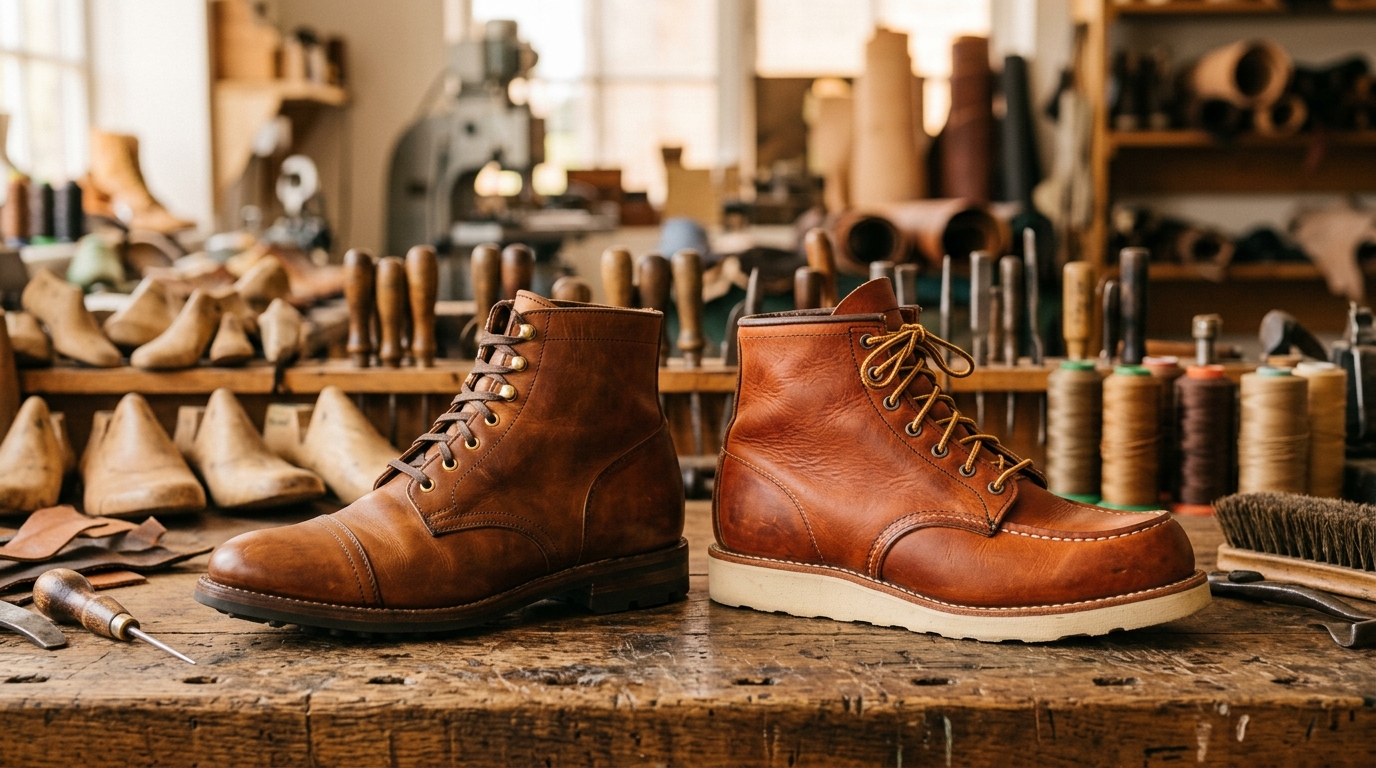
While all stitched boots share resoleability, each construction method balances water resistance, flexibility, weight and profile in distinct ways:
Goodyear Welted (and Storm Welt): Invented in 1869, this remains the gold standard of British and American shoemaking. A vertical canvas rib (gemming) or carved channel on the insole bottom is sewn horizontally to the upper and a continuous leather perimeter strip called the welt. A second, vertical lockstitch then attaches the welt to the leather midsole and outsole. Because no stitching penetrates through to the inside of the footbed, Goodyear welted footwear offers high water resistance. For even harsher conditions, a storm welt (or split-reverse welt) features an upturned leather lip that snugs tightly against the upper, forming a physical barrier against lateral splash and slush.
Blake-Rapid: Simple Blake stitching runs straight through from the inside footbed to the outsole, offering extreme flexibility but allowing water to wick directly inside along the thread. Blake-Rapid solves this completely by introducing a leather midsole. A Blake machine stitches the insole, upper and midsole together internally, while an external Rapid machine stitches the midsole to the outsole. This provides a trim, elegant waist, superb flexibility from day one, and effortless resoling: a cobbler simply replaces the outsole by cutting the external Rapid stitch, leaving the internal upper structure intact.
Norwegian Welt (Zwiegenäht): Originating in alpine Europe for heavy ski and mountaineering footwear, Norwegian construction turns the upper leather outward instead of folding it under the insole. A primary horizontal stitch connects the turned-out upper to the insole rib, while a prominent secondary vertical stitch binds the upper flange and welt to the thick midsole. The exposed double stitch is sealed with pitch or beeswax, providing legendary moisture exclusion and an unmistakable, rugged aesthetic.
Stitchdown (Veldtschoen): Favoured by Pacific Northwest wildland firefighting bootmakers and historic British country cordwainers, stitchdown boots flange the vamp outward at 90 degrees directly onto a leather midsole. Heavy lockstitching binds the flanged upper directly around the entire perimeter. Stitchdown construction creates an exceptionally wide, stable ground footprint and immediate lateral support, though recrafting requires a skilled artisan who can stitch through existing needle holes without tearing the flared upper margins.
Selecting your replacement outsole: leather, Dainite studs, commando lugs and wedge soles
When it comes time to resole, you are never locked into the factory sole compound. Changing the outsole allows you to adapt a boot's personality, weight and grip to evolving daily routines:
Oak-bark pit-tanned leather soles remain the traditionalist's choice for dress boots and dry city walking. Tanned for nine to twelve months in deep pits using oak, spruce and mimosa barks, the dense collagen matrix breathes effortlessly and polishes to a sleek edge. However, bare leather offers minimal grip on wet metal utility covers, marble or icy steps, and absorbs moisture rapidly in prolonged downpours.
Studded rubber soles, pioneered by Dainite in England, deliver the optimal compromise for smart-casual boots. Recessed round studs provide confident mechanical grip on wet stone and tarmac without picking up garden gravel or tracking mud indoors. Their low profile maintains the clean, refined silhouette of a leather sole while providing multi-year abrasion resistance.
Commando and lugged outsoles (such as Vibram 100 Montagna or Vibram 430 Mini-Lug) feature aggressive chevron tread patterns engineered from heavy vulcanised rubber. They excel across mud, wet construction sites and loose scree. While heavy, they offer the thickest wear layer available, absorbing sharp rocks with ease.
Polyurethane wedge soles (such as Vibram Morflex or Christie) distribute body weight uniformly across the entire footbed, eliminating pressure points under the heel and ball of the foot. They are unmatched for standing on concrete warehouse floors or workshop slabs for eight hours straight. The trade-off is durability: blown rubber and polyurethane compounds wear down approximately twice as fast as dense vulcanised rubber lugs.
- Dainite — Studded Rubber OutsoleManufactured in Market Harborough, England since 1894; the benchmark British studded rubber sole offering wet-weather traction without collecting mud.
- Vibram — Vibram 430 Mini-Lug OutsoleHigh-durability vulcanised rubber outsole compound engineered for heavy abrasion resistance, secure outdoor grip and a trim profile.
- J. Rendenbach / Kilger — Oak-Bark Tanned Leather SolesTraditional oak-bark pit-tanned leather outsoles offering exceptional fiber density, natural breathability and maximum abrasion life before resoling.
When to resole: the four wear thresholds to monitor
The single most costly mistake boot owners make is waiting too long before visiting a cobbler. Letting wear encroach past the consumable tread into structural components multiplies the complexity and cost of repair:
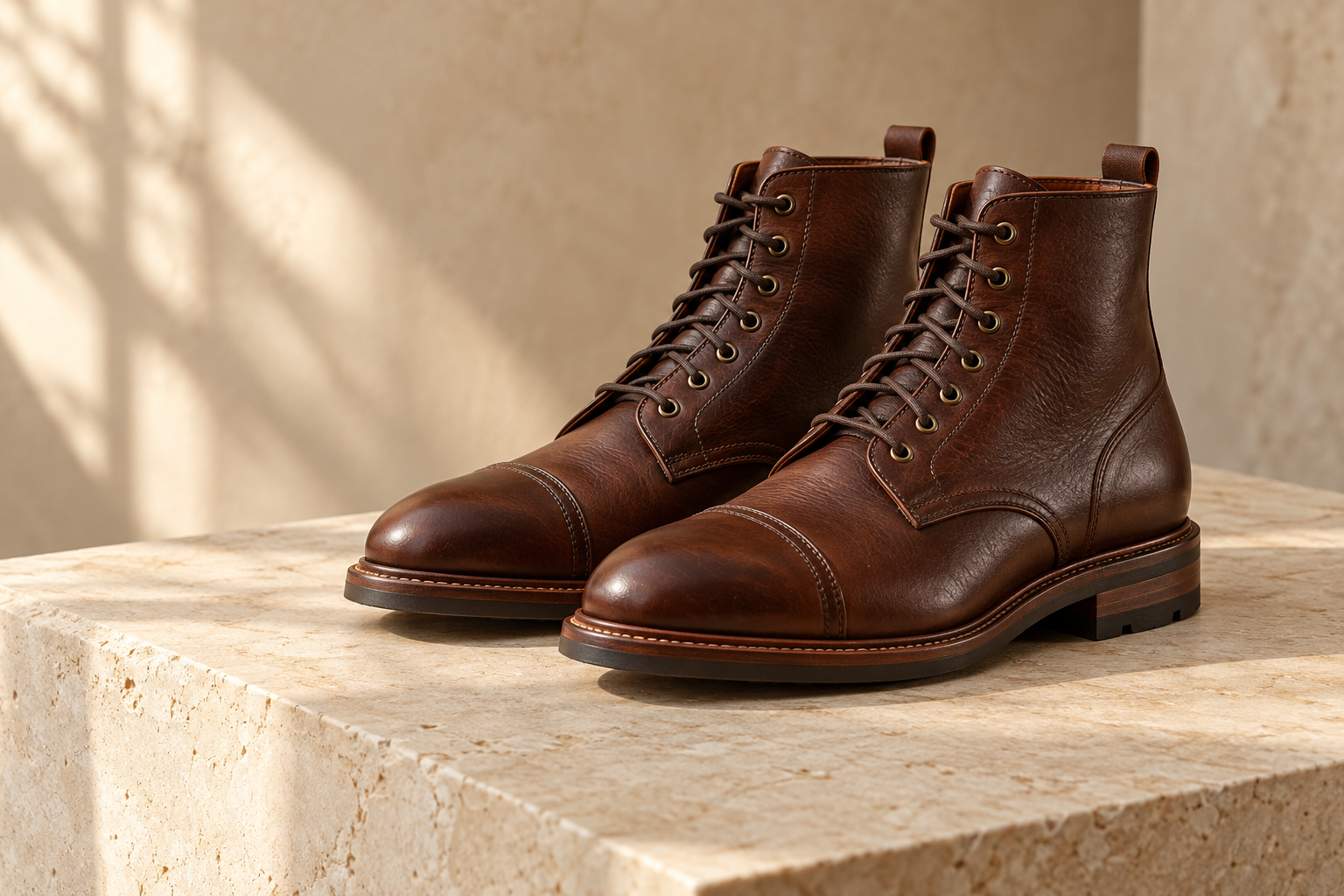
1. The 2 mm heel rule: The rubber toplift on the bottom of the stacked leather heel is a sacrificial wear item. Replace it the moment the rubber thins down to 2 mm at the outer back corner—long before your stride begins wearing into the stacked leather heel lifts. Replacing a rubber toplift is quick and inexpensive; rebuilding an abraded, ground-down leather heel block costs considerably more.
2. The forefoot thumb test: Press your thumb firmly into the centre of the forefoot outsole. If the sole feels spongy, springy or soft like thin cardboard, the leather or rubber has worn down to its minimum threshold. Continuing to walk on a thinned sole allows road moisture to soak directly into the internal cork bed, rotting the thread and footbed from the bottom up.
3. Thread wear on the perimeter: In welted footwear, seeing worn stitches on the underside of the sole is normal; lockstitching ensures the seam does not immediately unravel when individual threads snap. However, if the sole begins separating from the welt, or if you can slide a business card between the outsole and midsole, book a resole promptly.
4. The structural danger line: Never let wear grind through the outsole into the leather welt strip itself. If the welt is ground away or cracked, the cobbler cannot simply stitch on a new sole; the entire boot must be stripped, unlasted, and re-welted from scratch—a specialised rebuild that only a minority of master workshops can undertake.
What to ask your cobbler: the recrafting checklist
Quality stitched boots are an investment in longevity. With timely toplift replacements and methodical resoling every few years, a well-cared-for pair of welted boots will comfortably serve for twenty years or more, developing rich personal patina while keeping waste out of landfills.
- Full resole vs half resole: A full resole replaces the entire outsole and heel stack, ideal when transitioning between sole styles. A half sole replaces only the forefoot tread, preserving the original factory heel block if it remains unworn.
- Cork cavity replenishment: Always request fresh granulated cork paste if the existing footbed filler has shifted, dried out or formed hollow spots under your ball of foot.
- Shank and footbed inspection: Ensure the cobbler inspects the steel or composite shank for movement or fractures before bonding the replacement midsole.
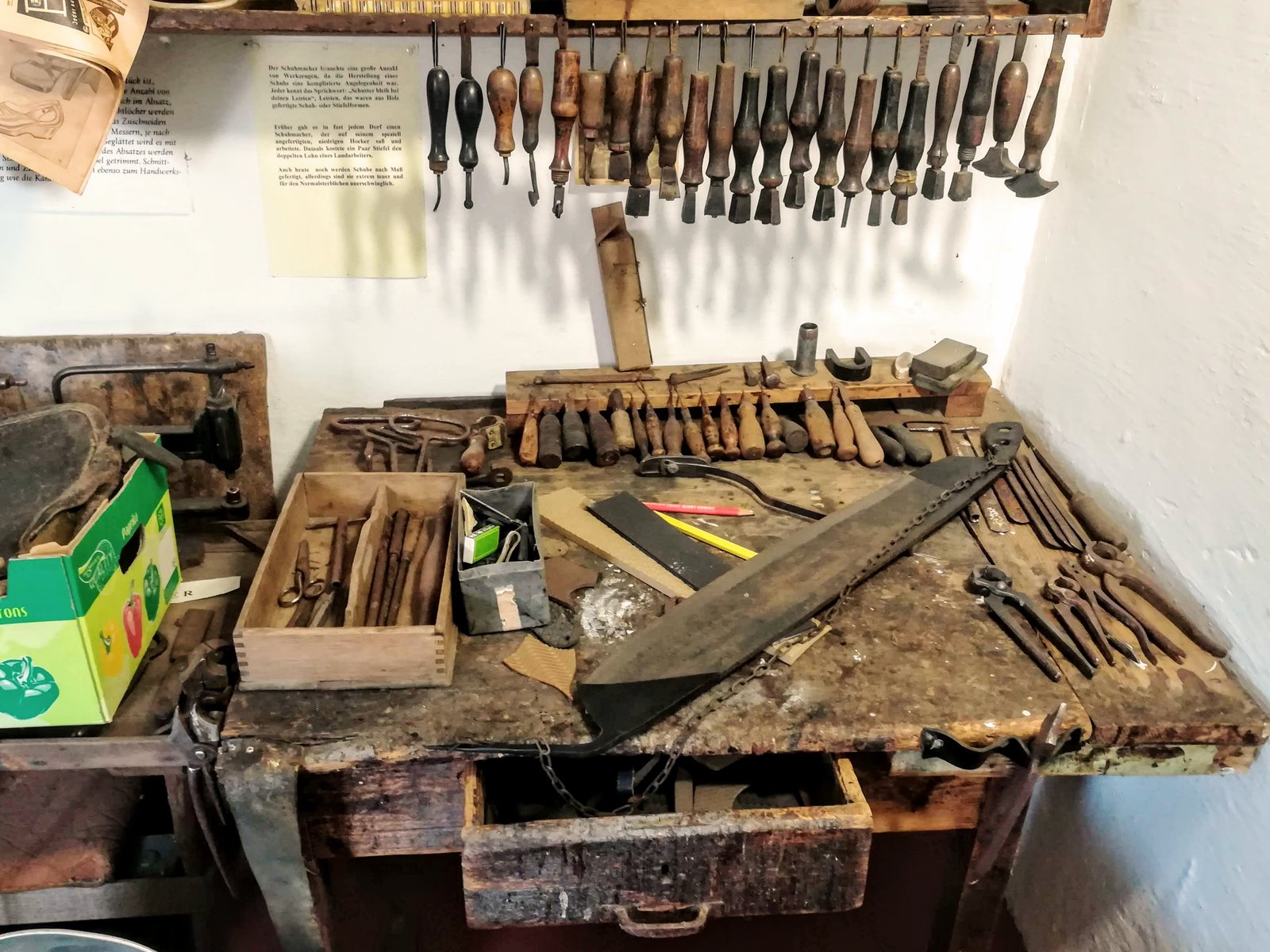
- Stitching into existing needle holes: A skilled craftsperson will carefully guide the curved awl or Rapid machine needle through the existing punctures in the leather welt rather than perforating the welt into a weakened strip.
- Midsole preservation: On boots with a double leather midsole (such as Blake-Rapid or heavy work boots), retaining the original top midsole saves turnaround time and preserves broken-in boot flexibility.
Sources & useful links
- British Footwear Association: Shoemaking Construction and Standards
- The Society of Master Shoe Repairers: Footwear Construction and Resoling Best Practices
- SATRA Technology: Footwear Testing, Durability and Structural Integrity
- Northampton Museum and Art Gallery: Historical Footwear Collection and Shoemaking Heritage
Keep exploring