Tusting Leather Briefcases: The Clipper Satchel, English Tannery Heritage and Daily Utility
An in-depth review of the Tusting Clipper briefcase: fifth-generation English leathercraft from Lavendon, full-grain aniline hide, antique brass fittings and practical daily business carry.
From Northamptonshire tanneries to a Buckinghamshire workshop
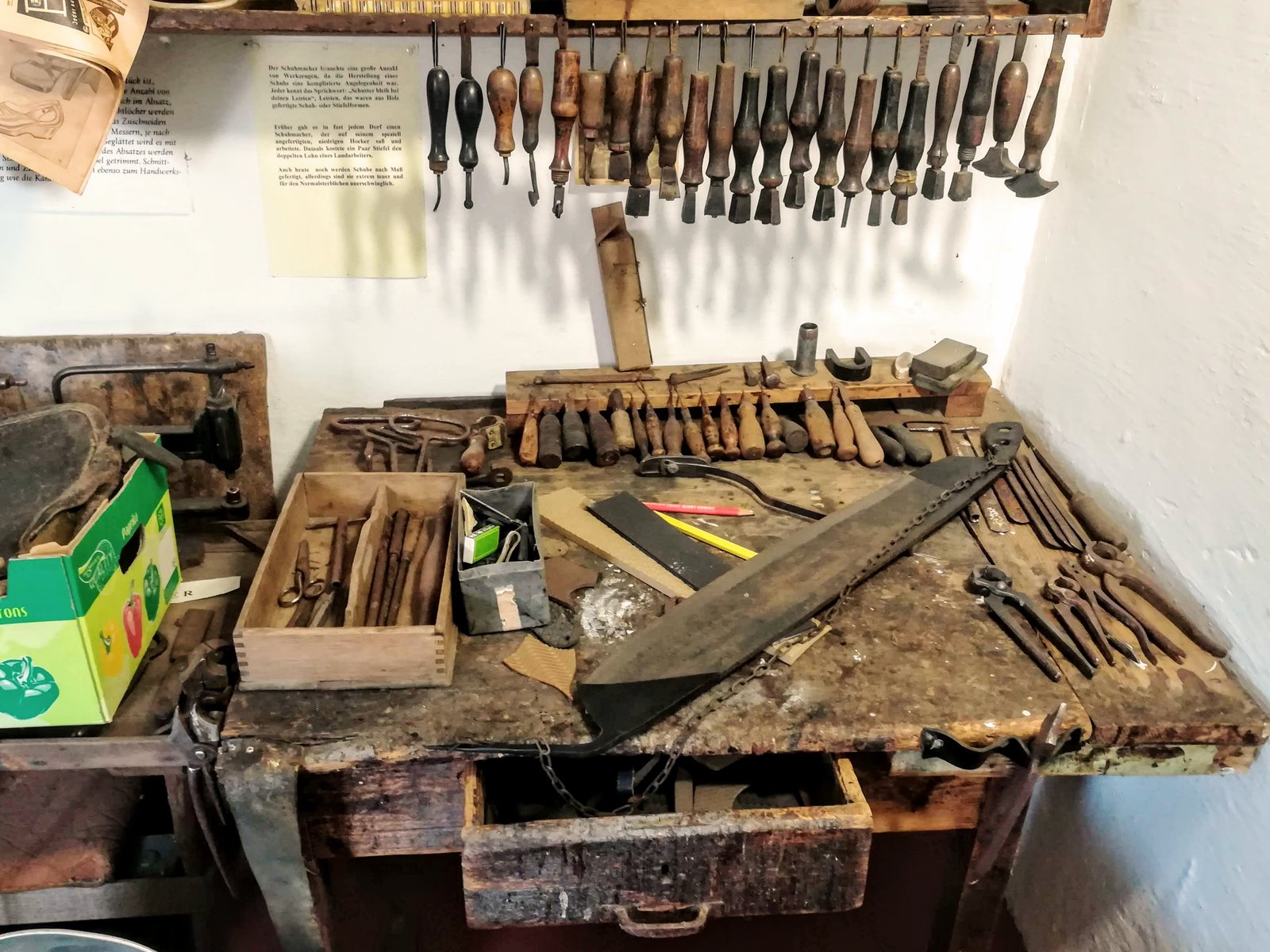
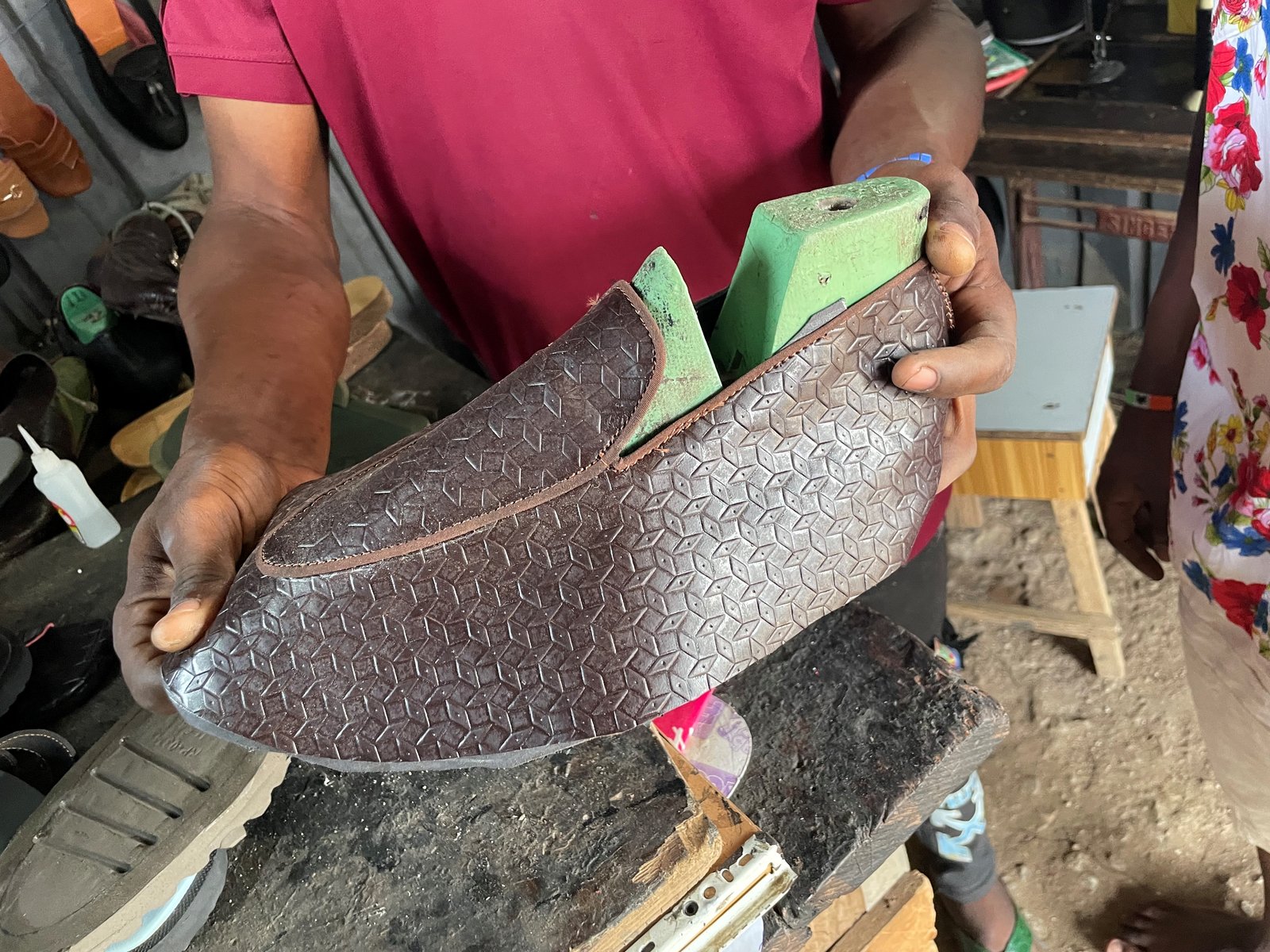
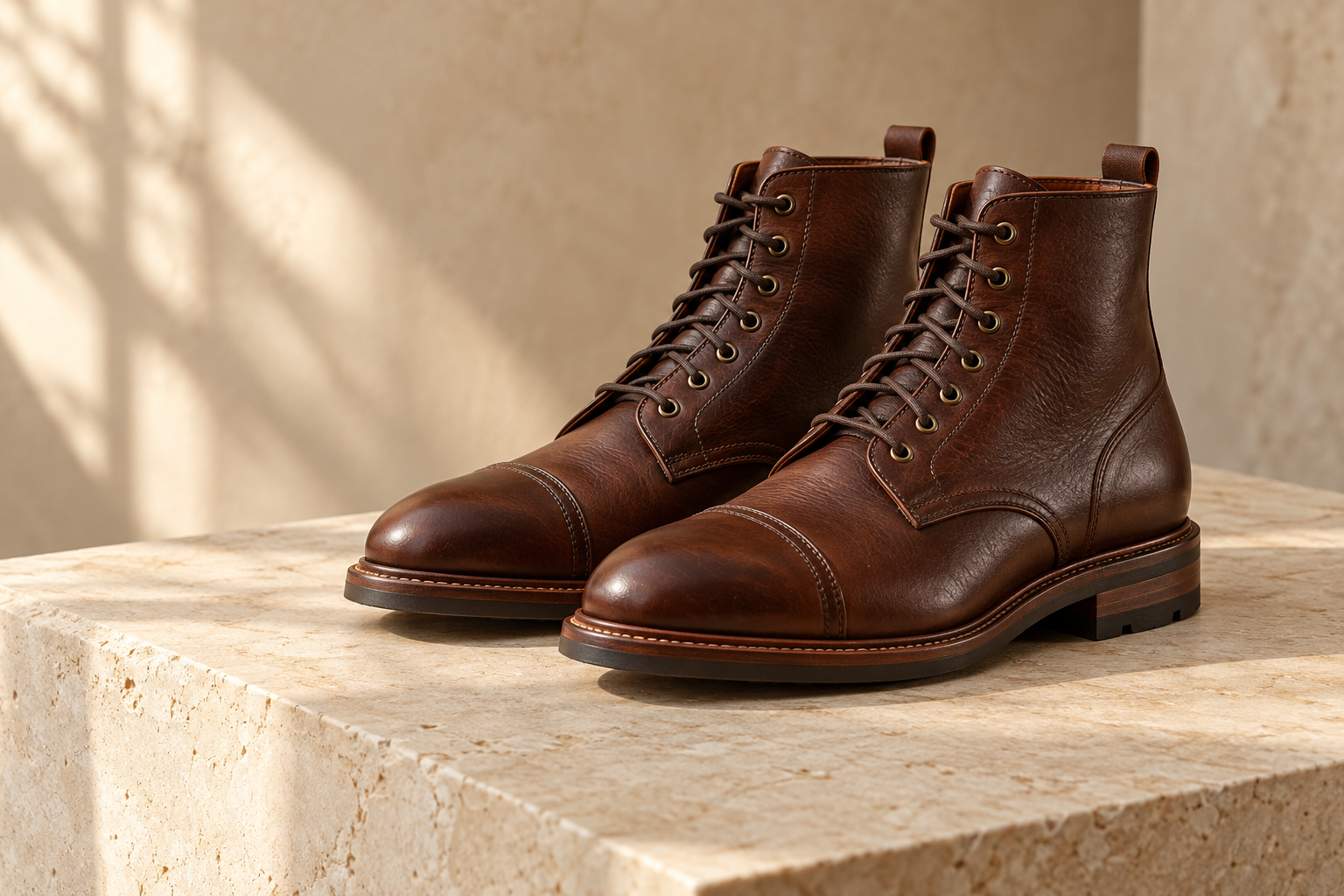
Before Tusting became synonymous with understated British leather goods, the family spent over a century at the foundational stage of the footwear trade. Established in 1875 in the village of Harrold, Bedfordshire, Tusting originated as a leather tannery merchant. Positioned right on the edge of Northamptonshire, the business supplied the world's most renowned Goodyear-welted cordwainers with high-grade vegetable and chrome-tanned cattle hides.
That deep material literacy shaped the company's direction when, in the late 1980s, the fourth and fifth generations transitioned into creating their own handcrafted luggage and briefcases in the nearby village of Lavendon, Buckinghamshire. Rather than manufacturing rigid, board-stiffened attache cases that crack or peel at the corners, Tusting focused on soft-sided leather satchels inspired by traditional English fishing and game bags.
The result is a distinct philosophy of bag making: leather treated as a tactile, living skin rather than an industrial veneer, assembled by skilled machinists and bench leatherworkers who understand how panels yield, drape, and wear under daily carrying weight.
Anatomy of the Clipper: full-grain hides, aniline finishing and brass fittings
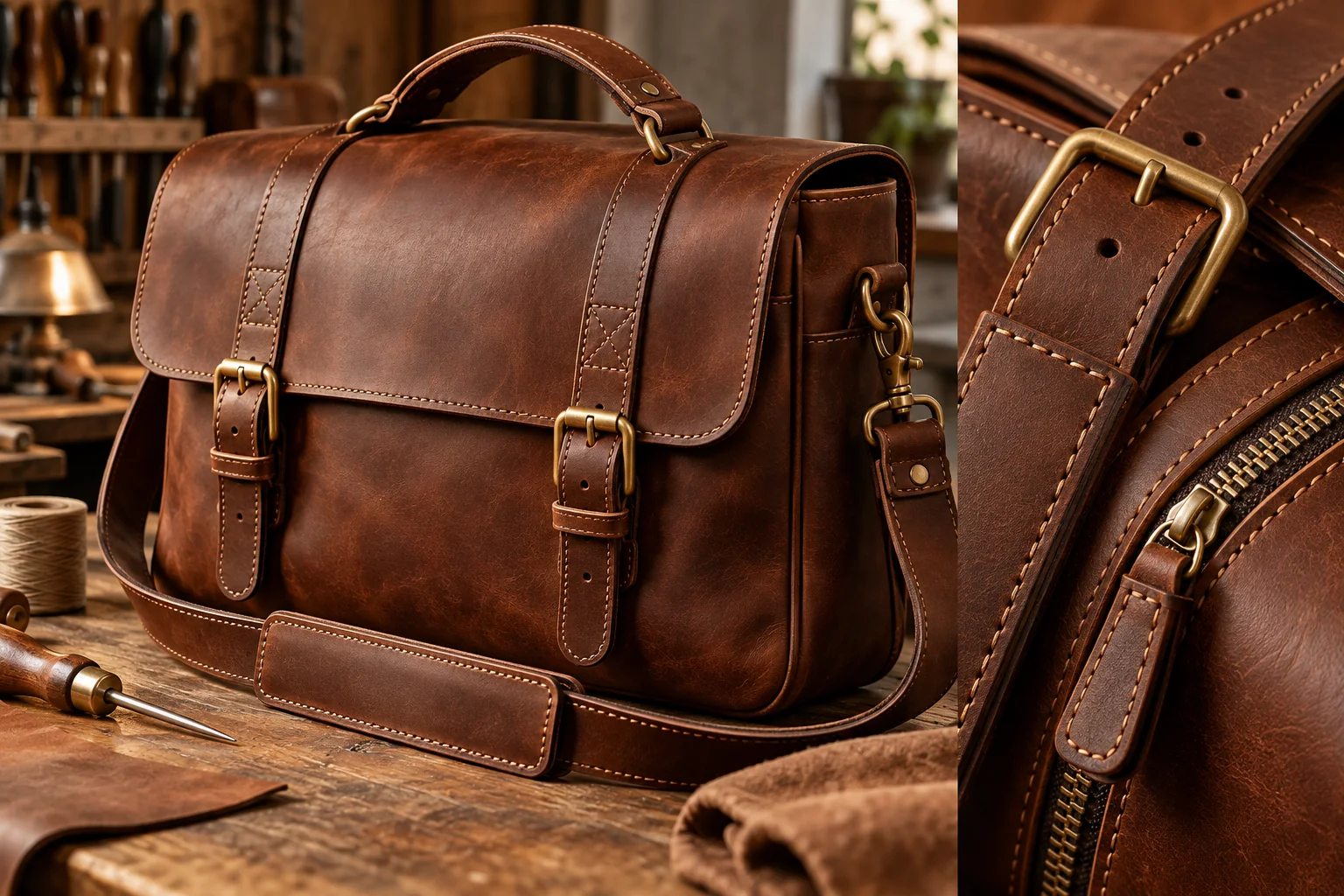
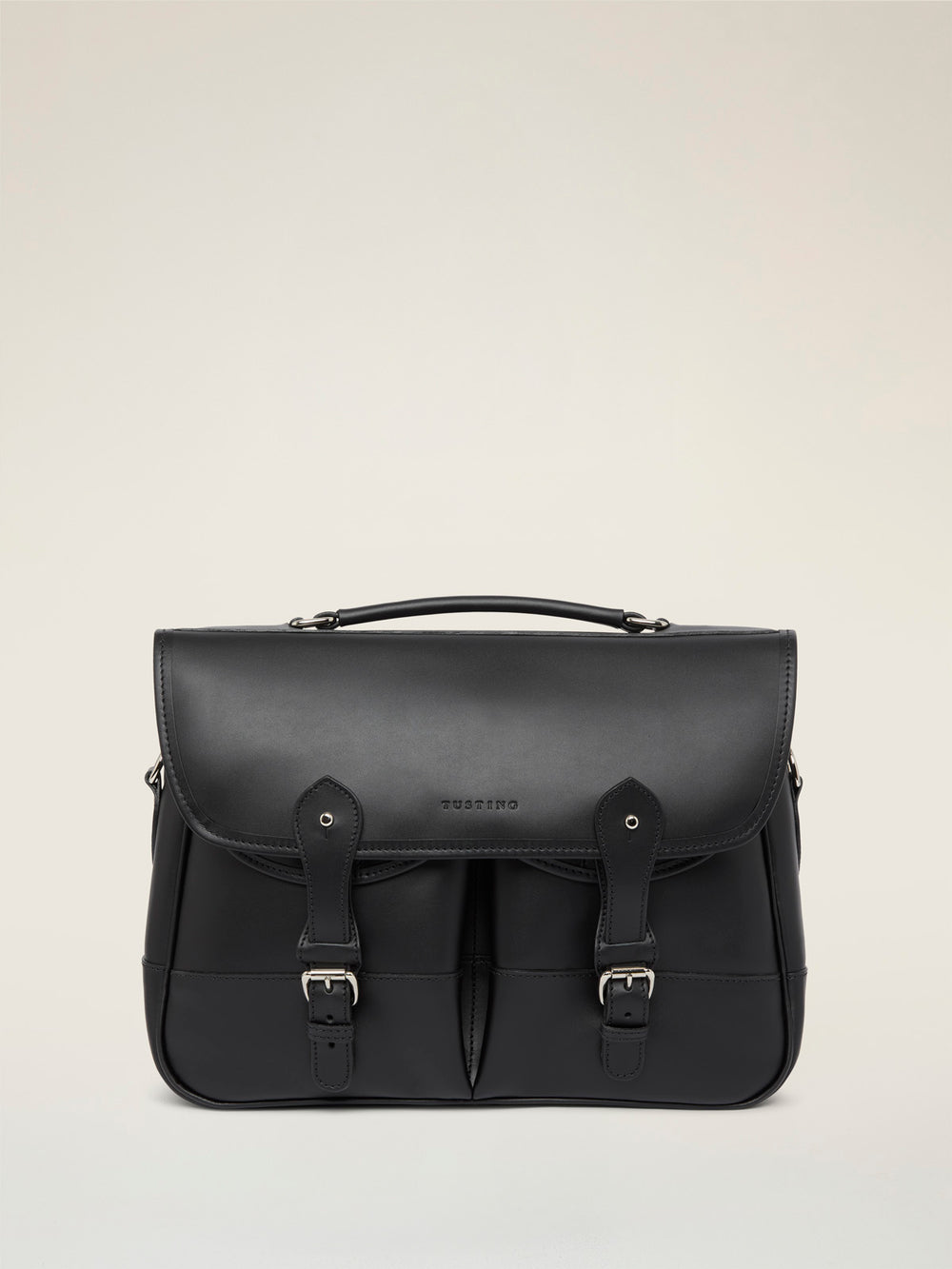
The Clipper is Tusting’s signature briefcase silhouette. Built with a soft-sided bellows architecture, it combines the refined profile of an executive document case with the forgiving capacity of an artisan satchel.
The standout leather option is Tusting’s proprietary Sundance Floodlight bovine leather. Unlike heavily pigmented corrected leathers that mask natural hide features under layers of polyurethane paint, Sundance is a premium full-grain cattle hide finished with a clear aniline dye and a heavy wax and oil infusion. Natural neck wrinkles, subtle fat wrinkles, and grain variations remain proudly visible. When the leather is flexed, oils migrate beneath the surface to create a rich, shifting pull-up effect.
Hardware across the bag is solid antiqued brass, selected to age gracefully alongside the leather without flaking or rusting. Critically, Tusting avoids the tedious inconvenience of unbuckling daily straps by incorporating discreet, quick-release brass collar-stud closures hidden directly beneath the traditional harness buckles. You get the classic look of a buckled English bridle case with the effortless one-handed flick of a modern quick-release stud.
- Tusting — Large Leather Clipper BriefcaseFlagship English satchel briefcase fitting 15-inch laptops, crafted from full-grain Sundance leather with quick-release collar-stud buckles.
- Tusting — Small Leather Clipper BriefcaseCompact version tailored for 13-inch laptops, slim tablets, and lightweight everyday urban business commutes.
Capacity, laptop protection and internal organization: Small vs Large
Choosing between the Small and Large Clipper depends on your tech footprint and how you commute:
The Large Clipper measures approximately 42 cm wide, 30 cm high, and 13 cm deep, weighing around 1.6 kg empty. It easily swallows modern 15-inch and 16-inch laptops inside a dedicated, padded interior computer compartment. The spacious central cavity retains ample room for chargers, a hardcover notebook, an umbrella, and a light knit or packed lunch.
The Small Clipper reduces the footprint to roughly 37 cm wide, 27 cm high, and 10 cm deep (approx. 1.2 kg), fitting 13-inch MacBooks and slim folio notebooks. It offers a more agile silhouette that does not overwhelm slighter frames on crowded trains.
Both sizes feature two expansive front bellows pockets tucked under the main flap, perfect for quick-access items like passport holders, sunglasses cases, or compact battery packs. A full-width exterior slip pocket across the back panel allows you to stow boarding passes, newspapers, or flat documents without opening the main flap.
Living with full-grain aniline leather: conditioning, rain care and patina development
Full-grain aniline leather rewards attentive owners with a deep, personal patina, but requires realistic expectations compared to synthetic bags:
Because the pores of Sundance leather remain open and breathable, surface scuffs from everyday contact with desks or walls are inevitable. In most cases, light fingernail marks can simply be rubbed away using the warmth and natural oils of your thumb, redistributing the internal waxes.
Rain encounters should be handled with patience. Exposure to sudden rain showers will produce temporary dark spotting across the hide. Never panic and never expose the bag to a radiator, hair dryer, or direct heat source. Simply wipe away standing moisture with a soft, clean microfibre cloth and allow the briefcase to air-dry at room temperature. Once dry, the natural waxes will normalize and the spots will blend seamlessly into the grain.
For periodic conditioning, apply a thin coat of neutral, beeswax-rich leather balm (such as Saphir Médaille d’Or Renovateur or a quality lanolin cream) once every four to six months. Avoid heavy liquid neatsfoot oil, which will over-saturate the soft bovine fibres and excessively darken the colour.
Who the Clipper is for: practical evaluation checklist
If you want an honest, tactile English leather briefcase that grows handsomer with every train ride, flight, and meeting, the Tusting Clipper remains one of the finest bench-crafted propositions in modern British leatherwork.
- Versatile aesthetic: The soft satchel profile avoids both the stuffy corporate rigidity of framed attache cases and the casual sportswear look of synthetic nylon backpacks.
- Shoulder and hand carrying: Features a reinforced, rolled leather top grab handle for hand carry and an adjustable, detachable leather-and-cotton webbing shoulder strap.
- Soft-sided behaviour: Because the base is semi-structured rather than hard-cased, the bag moulds comfortably against your hip while walking, but may lean forward if loaded heavily in the front bellows pockets.
- Workshop repairability: Built in Buckinghamshire with accessible seams and modular hardware, meaning handles, strap D-rings, and linings can be serviced or replaced by Tusting artisans decades down the road.
- Investment consideration: Positioned at around £550 to £650 (€640 to €750), the Clipper represents genuine heritage value compared to luxury fashion house bags costing three times as much with inferior bonded or split leathers.
Sources & useful links
Keep exploring